In our cloud-computing dependent world, when the internet is down, little work gets done. I know this firsthand.
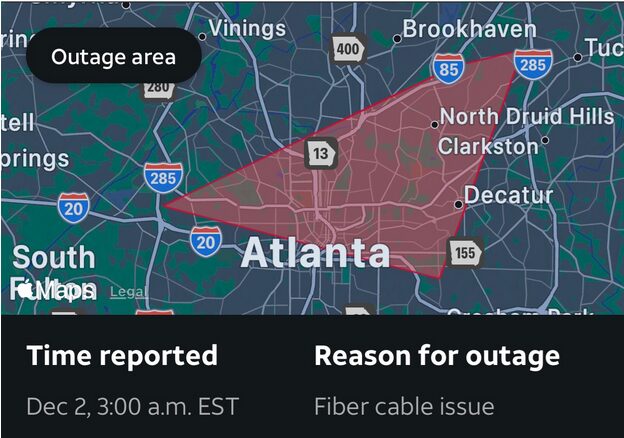
On two separate occasions over the last 10 days, my internet service went out for more than a day, forcing me to scramble to find alternatives. Luckily I was able to continue working remotely, thanks to limited connectivity to my neighbor’s Wi-Fi, who uses a different ISP.
Many unfortunate events can knock ISPs offline. The root cause of internet outages is often one of the usual suspects: DNS misconfigurations, cyberattacks, user error, or even squirrels chewing through IT infrastructure. When I searched for the cause of my particular outage, I got a rather generic “fiber cable issue” as the reason for my troubles.
At one point during the first outage, more than half a dozen white utility trucks with buckets gathered in front of my neighborhood near our telephone lines. When we asked the workers for more information, they told us about an increasingly worrisome cause of internet downtime that IT professionals need to know about: Good old-fashioned crime stemming from the desire to make a quick buck.
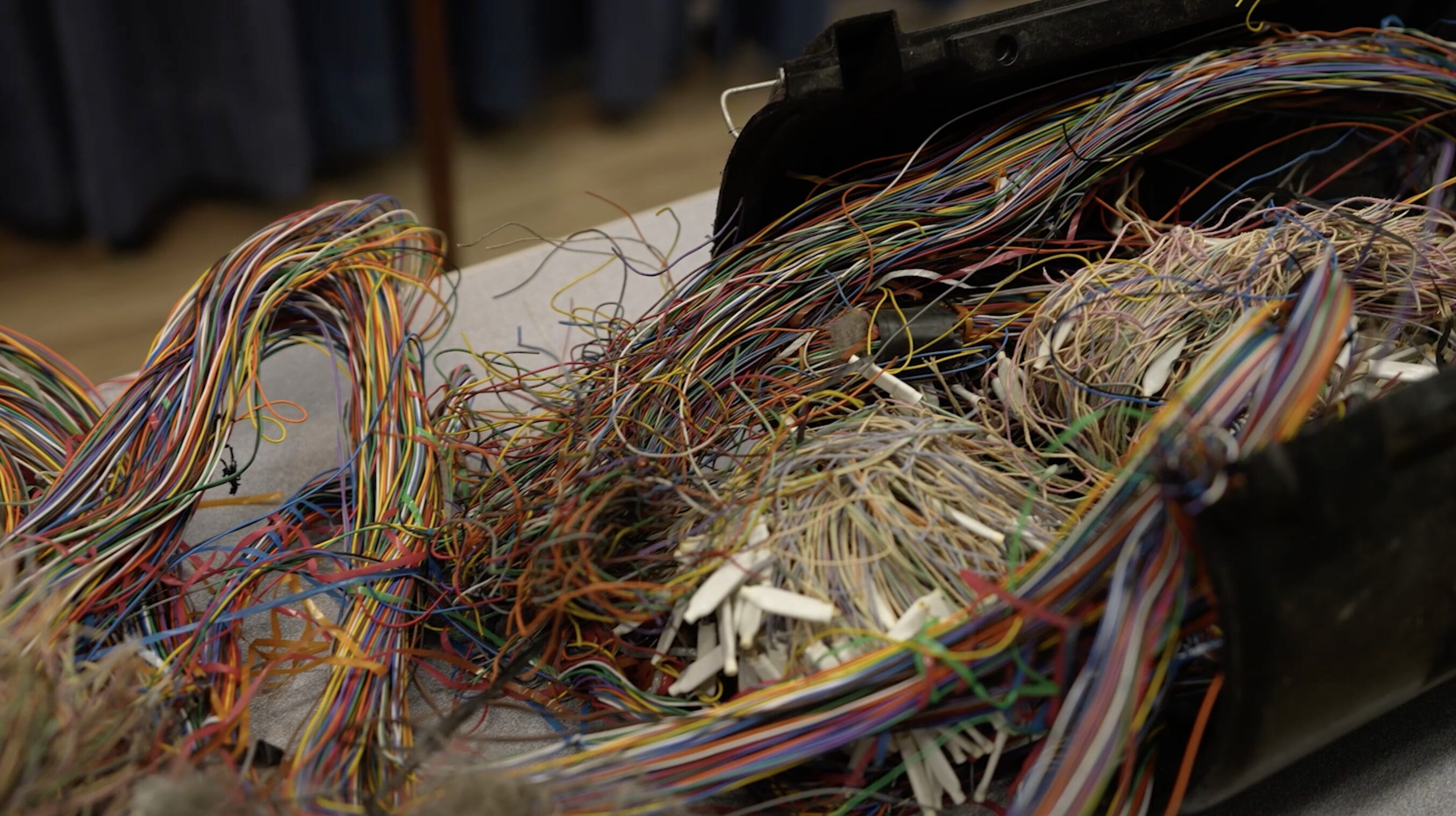
With the price of copper doubling between 2020 and 2025 (the precious metal was valued at more than $5 per pound at the time of this writing) copper theft certainly does pay. It’s now quite profitable for thieves to cut and steal large telecommunications cables, which can contain thousands of copper wires inside.
Why are copper prices rising?
Copper prices have soared in recent years because of technological advancements resulting in the precious metal growing in popularity. According to AT&T, the largest provider of copper-based service in the US:Opens a new window “Copper is an in-demand resource necessary for electric vehicles, solar panels, wind turbines, electrical wiring and more. Its value has increased in recent years with the demand. Although copper is in short supply, it’s infinitely recyclable and can be sold to metal recyclers for cash.”
Amid sky high prices, thieves can make off with tens of thousands of dollarsOpens a new window worth of the precious metal in a single telecommunications cable heist, then sell it for a quick profit. And the precious metal is all around us, with countless miles of it hanging from telephone poles and running underground.
How copper theft breaks the internet
Even if the backbone of your internet connection is fiber optic cables, you and your business are not immune from the harm caused by copper theft. Initially, I was confused as to why old-school copper lines being cut would cause my fiber internet to go offline.
I then found out that fiber lines are often collateral damage in smash and grab operations, where bandits quickly cut copper cables (and often, whatever is around them), so they can carry them away to be stripped for scrap.
According to AT&T: “Fiber cables are sometimes close to existing copper cables, causing them to be damaged when thieves cut the copper.” The telecommunications provider also revealed that thieves often mistake fiber cables for copper cables, leading them to sever internet connections because of mistaken identity.
How much damage to infrastructure does copper theft cause?
Per the AT&T website, copper theft cost the company $40 million in the first 9 months of 2025, and the problem has grown considerably over the last few years. AT&T said they have “experienced an alarming increase in copper theft and vandalism” with “more than 2,200 copper theft incidents in California in 2024 compared to 71 in 2021. These crimes have disabled streetlights, severed phone and broadband connections and created multi-million dollar repair costs across the state.”
What can be done about copper theft?
Because uptime is a key concern in connected businesses, redundancy is the name of the game. If yours doesn’t already, your organization can consider using multiple ISPs that don’t rely on the same physical infrastructure, with the ability to load balance or fail over quickly if service is interrupted. If you work at home, you might also be able to use cellular data and mobile hotspots to stay online.
At a provider prevention level, companies like AT&T are taking steps to protect their infrastructure. For example, by welding manhole covers shut to protect underground cables. Additionally, the company was offering rewards of up to $20,000 for information leading to the arrest of copper thieves.
Some state governments are also increasing the penalties for copper theft and passing legislation to hold scrap metal recyclers accountable for buying copper obtained through criminal activities.
The future of copper theft
If there’s one glimmer of hope in the war against copper theft, at least of the telecommunications variety, the crime might naturally be on its way out. AT&T plans to phase out its copper network by 2029 as they modernize their infrastructure and upgrade to fiber.
As reportedOpens a new window by our sister site ZDNET, AT&T’s executive vice president of wireline transformation and supply chain, Susan Johnson. offered the following insight: “Customers are voting with their feet and moving off of the 70-year-old copper services. In fact, only 5% of our residential customers are still using copper-based technology.”
But even with copper telecommunications cables disappearing relatively soon, thieves will still have additional targets to wreak havoc on. The U.S. Department of Energy estimates that $1 billion of copper wire (used for electrical power infrastructure) is stolen every year. And as with internet connectivity, when the power goes out, little work can get done.
Systems Administrator turned QA tester turned software engineer turned Technology Analyst, Peter is now the Head of Technology Insights at Spiceworks, where he's worked since November 2013. Now he writes fun and research-driven content to help bring a smile to your face or make your life easier.
Do you still have questions? Head over to the Spiceworks Community to find answers.
Toolbox is now
On June 22, Toolbox will become Spiceworks News & Insights